

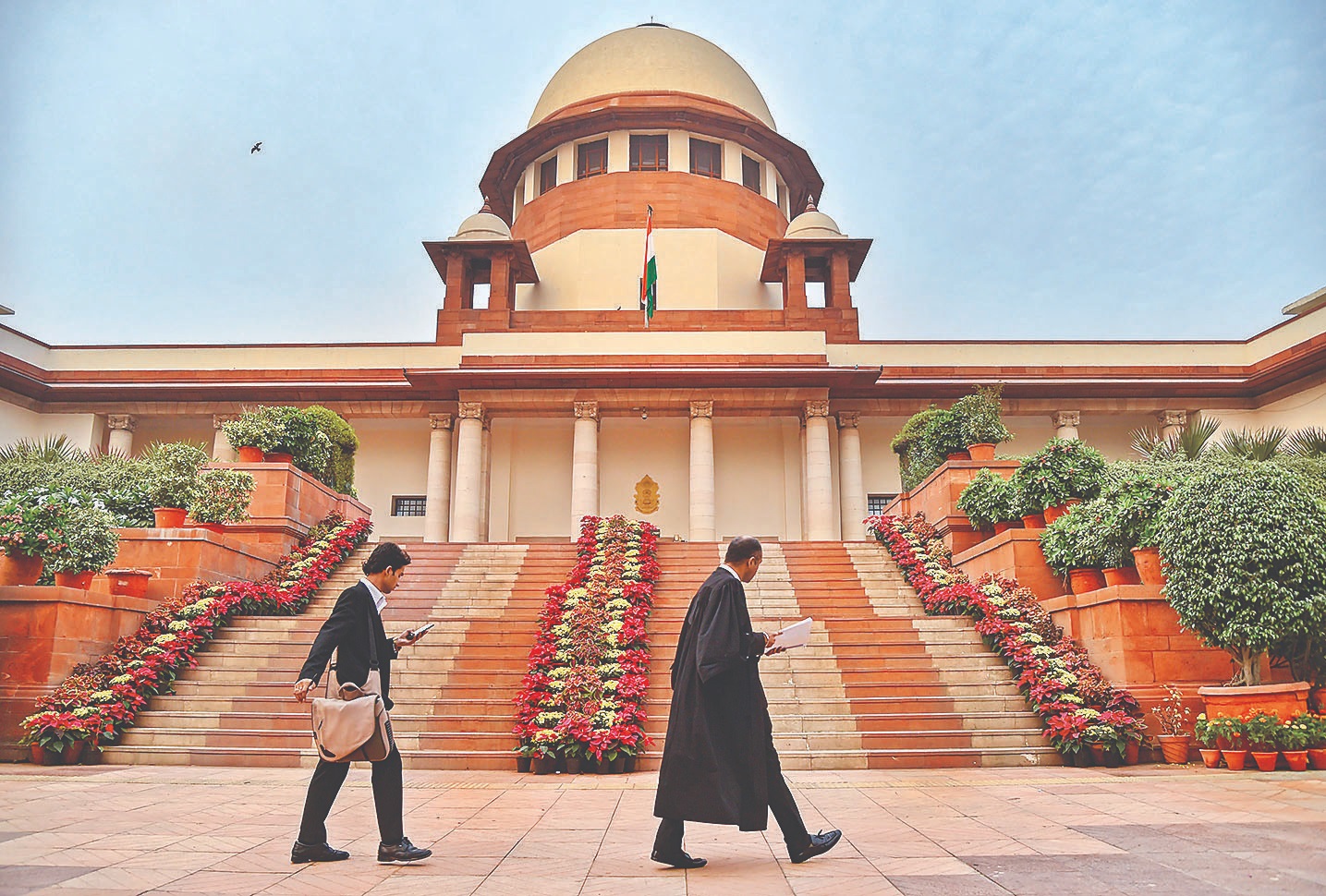
Preventive detention by routine exercise of powers must be nipped in bud: Supreme Court
- The Supreme Court has set aside a Telangana High Court order rejecting a detenu’s appeal.preventive detention is a draconian measure
- It Observed that and any such move based on a capricious or routine exercise of powers must be nipped in the bud
Preventive Detention
- India balances the need for security with individual liberties through preventive detention laws.
- These laws allow authorities to hold people without a trial if they believe those people might commit crimes in the future.
- The Indian Constitution protects people from being arrested unfairly.
- It allows preventive detention, but with safeguards.
- For instance, detention can't last more than three months without a review board finding a reason to extend it.
- Detainees also have the right to know why they're being held (unless revealing that reason would harm public safety).
- The power to make these laws is divided.
- The national government can make laws for national security reasons, while both national and state governments can make laws for public order or essential services.
- Examples of preventive detention laws in India include the National Security Act and state-specific Public Safety Acts.
- These laws allow authorities to detain people for up to a year without charges, but with a review process.
Prelims Takeaway
- Preventive Detention
- Punitive detention