

Scientists build a camera to ‘show’ how animals see moving things
- Animal-vision video could help farmers spot fruit pests invisible to the human eye but readily visible to some animals
Seeing the World in Different Lights: How Animals Use Photoreceptors
- While all creatures with eyes use them to capture light and translate it into vision, the way they "see" the world varies greatly.
- This difference comes down to specialized cells called photoreceptors, which are unique to each animal.
- Humans, for example, can only perceive light within a specific range of wavelengths, creating our visible spectrum (380-700 nanometers).
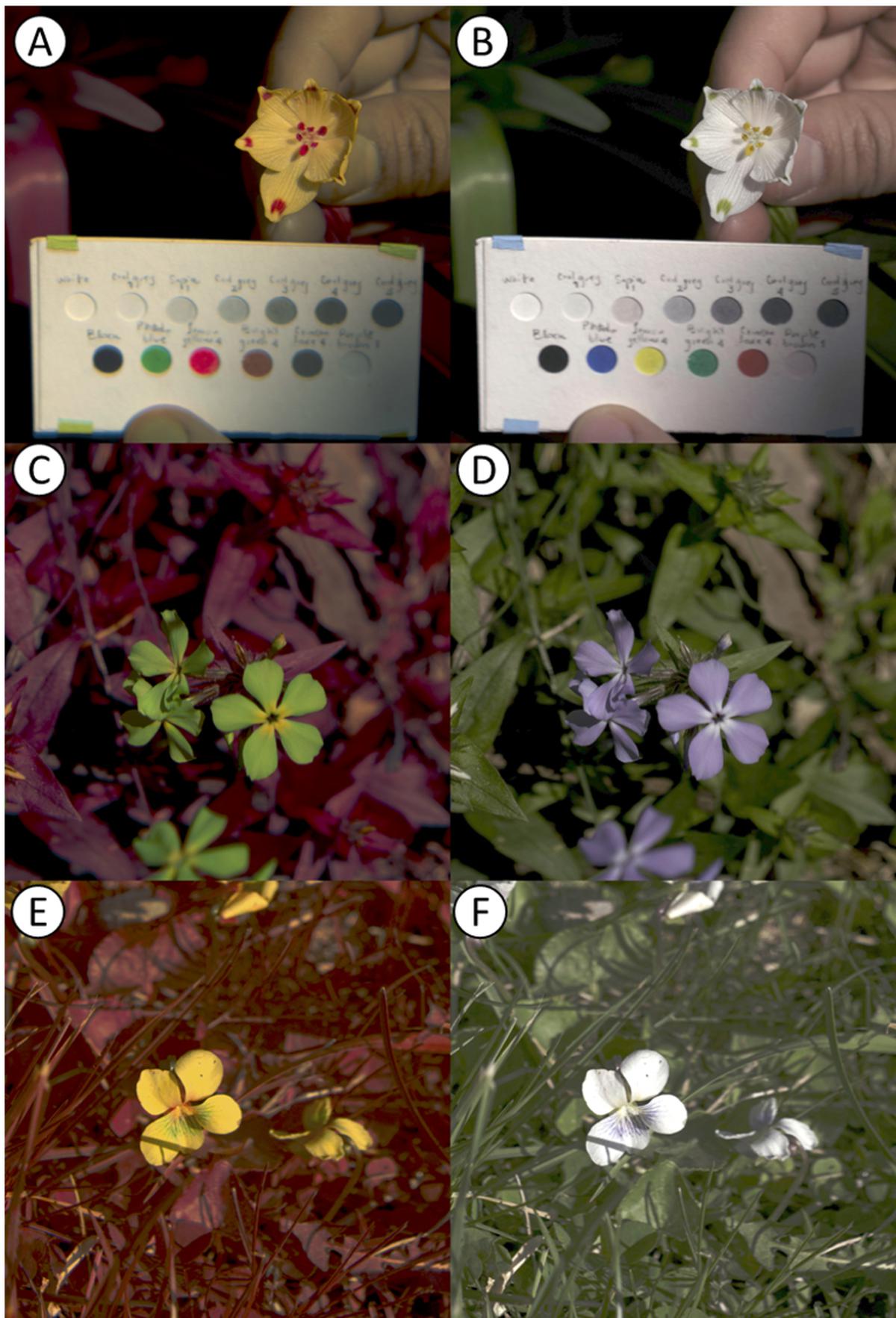
- But some animals, like honeybees and many birds, can also see ultraviolet light, which is invisible to us.
- Colors play a crucial role in animal survival, from scaring predators and attracting mates to blending in with the environment.
- To navigate this "color game," animals have evolved photoreceptors that can detect light beyond the human range, including ultraviolet and infrared wavelengths.
- Some creatures even perceive polarized light, which is part of their unique sensory world – their Umwelt.
- In essence, Umwelt refers to the biological systems that allow each animal to create its own specific way of understanding and interacting with its surroundings, heavily influenced by how they perceive light through their photoreceptors.
Prelims Takeaway
- photoreceptors