

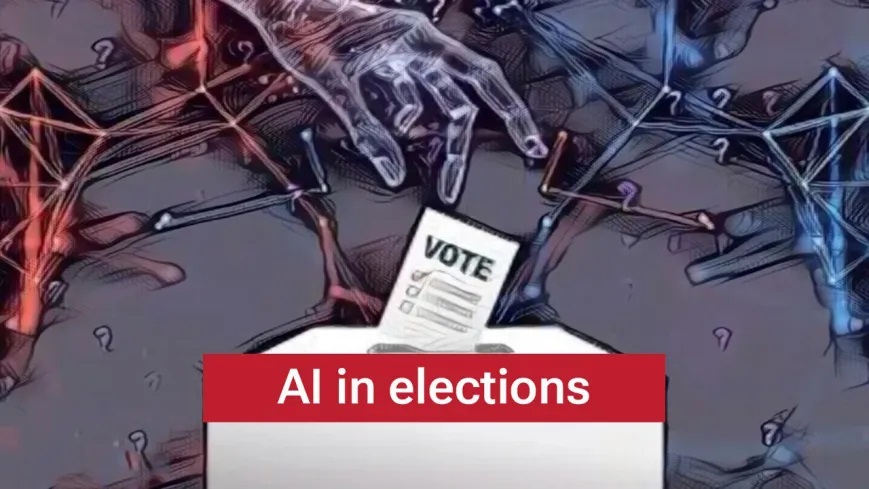
AI in elections, the good, the bad and the ugly
- In an effort to broaden Prime Minister reach to a variety of linguistic groups, the Party (BJP) has used Artificial Intelligence (AI) to translate his speeches into eight different languages ahead of the Lok Sabha elections.
- It may potentially be considered India’s “first AI election”.
Social media and campaigns
- Its spread can be traced to the extensive usage of phonecalls in the 1990s, the Uttar Pradesh Assembly election in 2007 that saw the first “mass mobile phone” elections, the use of holograms in 2014, and, now, the current AI era.
- The 2019 general election was widely dubbed the “first WhatsApp election” in India.
- WhatsApp is “an effective political platform because it allows for targeted delivery of information to voters and also because it allows an excellent tool to organize and mobilize party workers”.
Global elections, AI, the dangers
- The global elections of 2024, in contrast, are “AI elections”.
- fake accounts that amplify particular messages and generate artificial trends can be orchestrated by AI-powered bots to flood social media sites
- Yielding the false impression that a particular politician or subject is widely supported.
- Social media, the old instrument, is, therefore, interwoven with AI technology.
The political landscape is changing
- However, AI can play a far wider role in elections than just disseminating disinformation.
- With real-time analytics on campaign performances, AI is raising the bar for political campaigns with its data-driven and effective micro-targeting strategy.
- The political landscape is changing quickly due to GenAI technology, which presents both the potential and challenges for the 2024 elections.
Global example
- The United States government has outlawed robocalls using AI-generated voices in its response to the Biden robocall incident.
- Technology behemoths including Microsoft, Google, OpenAI, and Meta have vowed to combat AI content that aims to deceive voters.
- There is general concern that, similar to Slovakia, election-related generated contents may shape last-minute attempts to deter voters from exercising their right to vote
- Or create an event with a manufactured portrayal of a candidate that is challenging to swiftly debunk.
- AI will be far more efficient five years later, in 2029, but as one might perceive, the world will also be more resilient, accustomed, and prepared for AI’s deceptive effects.